Car Paint Peeling Like Snake Skin: Causes, Prevention, and Solutions
Published on 03 April 2026
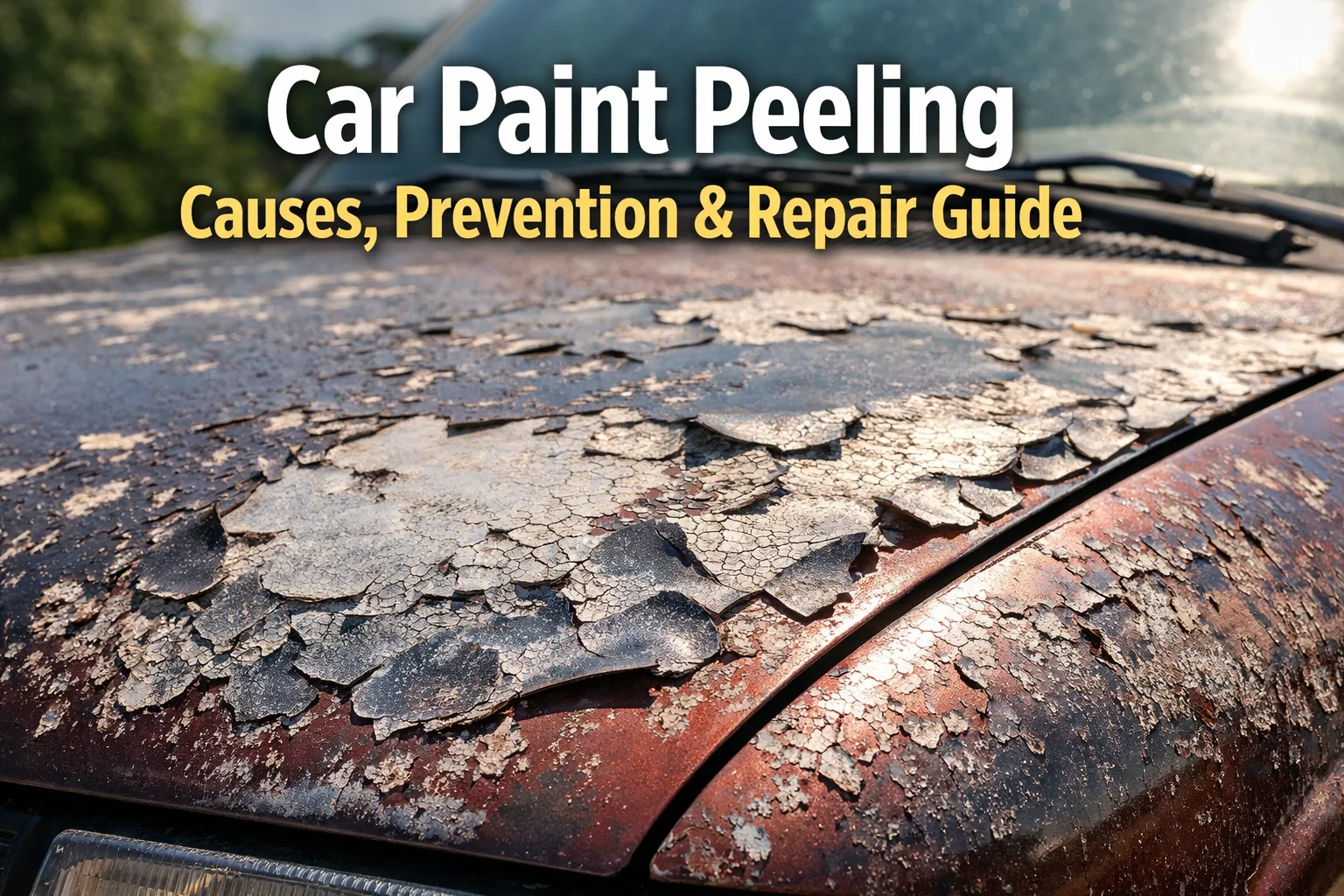
Car paint peeling is a common issue that affects both the appearance and value of a vehicle. In many cases, the peeling occurs in irregular patterns that resemble shedding skin, particularly on the bonnet, roof, and trunk. This condition is not merely cosmetic; it indicates the breakdown of the protective layers designed to preserve the vehicle’s surface. Understanding the causes and adopting appropriate maintenance practices are essential for preventing long-term damage and costly repairs.
Structure of Automotive Paint
Modern automotive paint systems consist of three primary layers: the primer, the base coat (color), and the clear coat. The clear coat serves as a protective barrier against environmental elements such as ultraviolet radiation, moisture, and contaminants. When this top layer deteriorates, the underlying paint becomes exposed and vulnerable to damage, leading to fading, cracking, and eventual peeling.
Key Causes of Paint Peeling
1. Ultraviolet (UV) Radiation
Prolonged exposure to sunlight is the leading cause of paint degradation. Ultraviolet rays break down the chemical bonds in the clear coat, causing it to lose its protective properties. Over time, this results in oxidation, discoloration, and flaking of the paint surface.
2. High Temperatures and Thermal Stress
In regions with high temperatures, vehicles are subjected to continuous heating and cooling cycles. This thermal expansion and contraction weaken the adhesion between paint layers. As a result, the clear coat begins to separate from the base coat, leading to visible peeling.
3. Poor Paint Quality or Improper Application
Low-quality paint materials or incorrect application during repainting can significantly reduce durability. Inadequate surface preparation, insufficient curing time, or lack of a proper clear coat can cause premature paint failure.
4. Environmental Contaminants
Substances such as bird droppings, tree sap, industrial pollutants, and road salts can chemically react with the paint surface. If not removed promptly, these contaminants accelerate the deterioration of the clear coat.
5. Lack of Regular Maintenance
Neglecting routine cleaning and protective treatments allows dirt and pollutants to accumulate. Without maintenance, the paint surface becomes more susceptible to environmental damage and gradual breakdown.
Effects of Peeling Paint
Paint peeling has both aesthetic and functional consequences. Visually, it reduces the overall appeal of the vehicle and may lower its resale value. Functionally, it exposes the underlying metal surfaces to moisture and environmental elements, increasing the risk of corrosion and structural damage over time.
Preventive Measures
Proper Parking
Parking in shaded or covered areas minimizes direct exposure to sunlight and reduces heat-related stress on the paint surface.
Regular Cleaning
Frequent washing removes harmful contaminants that can degrade the paint. It is advisable to use appropriate car cleaning products to avoid additional damage.
Application of Protective Coatings
Waxing or applying paint sealants provides an additional protective layer against UV rays and environmental pollutants. These coatings help maintain the integrity of the clear coat.
Use of Car Covers
In the absence of indoor parking, a high-quality car cover can shield the vehicle from direct sunlight and environmental exposure.
Repair and Restoration Options
The appropriate repair method depends on the severity of the damage. Minor peeling may be addressed through polishing or localized clear coat repair. However, in cases of extensive damage, professional repainting is often required to restore the vehicle’s appearance and protection.
Conclusion
Car paint peeling is primarily caused by environmental exposure, material quality, and maintenance practices. The deterioration of the clear coat leads to visible damage that, if left untreated, can progress to more serious structural issues. Implementing preventive measures such as proper parking, regular cleaning, and protective coatings can significantly extend the lifespan of automotive paint. Early intervention remains essential to minimizing repair costs and maintaining vehicle value.